Copland House as Fiscal Sponsor
We were elated to have worked with Copland House as our Fiscal Sponsor for several projects, which made everything so much easier!Molly Morkoski, MEME Ensemble
Copland House was a perfect match when I was looking for a Fiscal Sponsor for Portals, my full-length, multimedia production that included the commission of a large new violin piece by Philip Glass. It was great to have had Copland House along on this wonderful journey.Tim Fain
In furtherance of its mission to champion our nation's rich, diverse musical heritage, Copland House serves as a not-for-profit Fiscal Sponsor for a select number of composers and performers working on projects involving the creation, performance, or preservation of American music. Our Fiscal Sponsorships are intended to help artists realize their goals!
Since most funding is awarded to non-profit organizations, rather than to individuals, a Fiscal Sponsor (or conduit) can be an important vehicle to help encourage and stimulate donations for specified projects. As a Fiscal Sponsor, Copland House: offers composers and performers the opportunity to apply to funders that limit their support to 501(c)3, tax-exempt organizations; will accept contributions restricted for the selected project; provide financial oversight to ensure that contributed monies are used properly and as intended; and furnish administrative and clerical support in processing, acknowledging, and reporting on donated funds.
Copland House’s Board of Trustees determines which projects are accepted for sponsorship. Each Copland House Fiscal Sponsorship is governed by a formal, written agreement that details all respective responsibilities, and enumerates the terms of this financial and legal relationship. Copland House assesses a modest administrative fee on all funds received for sponsored projects.
We welcome email or telephone inquiries about the suitability of projects for Fiscal Sponsorship. Initial inquiries should briefly address the following questions:
- What is the exact nature of the proposed project and its planned activities?
- What are the goals of the planned project?
- Who are the participating artists?
- What is the prospective timetable for the project?
- What is the estimated project budget?
- From which sources is it anticipated that funds will be raised?
- Provide examples of other successfully-executed projects.
Should Copland House wish to consider sponsoring a project, we will then ask for more detailed information and work samples. We are eager to hear about project plans, and to explore ways that we may be able to assist in realizing them.
Featured Sponsored Projects
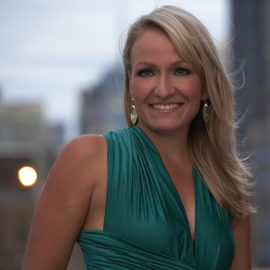
Pianist Molly Morkoski
Molly Morkoski, Commission Composers Club ("CCC")
A commissioning and premieres project, featuring new works for solo piano and premiered by Molly Morkoski. Born during the Covid-19 pandemic, this project is a way of seeing canceled concerts and premieres through to completion, while also generating new work and a hopeful spirit for the continuation of commissions and their importance in the arts.

Erich Stem on his travels across America
Erich Stem, America By
America By invites orchestras from around the U.S. to commission and perform pieces that express the nuanced attributes of their own town, culture, and people. Every commission incorporates a mix of styles representing the varying cultures and history of the region that each orchestra calls home. To date, orchestras from across the nation have signed onto the project, including Bainbridge Symphony Orchestra, West Virginia Symphony Orchestra, University of Portland Orchestra, and the Arlington Philharmonic Orchestra. The project captures the “sound track” of our nation.